Why What You Eat When Stressed Might Be Backfiring
We’ve all been there—reaching for chips, chocolate, or takeout when stress hits. But what if your go-to comfort foods are making things worse? Turns out, the connection between diet and stress is a two-way street. Poor food choices can mess with your mood, energy, and resilience. Thinking you're coping, only to feel more drained, is a common experience. The foods many turn to in moments of tension often amplify the very symptoms they’re trying to soothe. This isn’t about perfection or guilt; it’s about awareness and making smarter choices that actually support your body and mind when you need them most.
The Hidden Link Between Diet and Stress
The body's response to stress is complex, involving a network of hormones, neurotransmitters, and physiological signals that prepare you to react to pressure. Central to this system is cortisol, often called the “stress hormone.” While cortisol plays a vital role in helping the body manage challenges, its levels must remain balanced. When dietary patterns disrupt this balance—especially through high sugar, refined carbohydrates, and processed fats—the result can be prolonged or exaggerated stress responses. What many don’t realize is that food doesn’t just fuel the body; it directly influences how the brain interprets and reacts to stress.
Blood sugar fluctuations are one of the most immediate ways diet affects stress. Consuming foods high in added sugars or simple carbohydrates leads to a rapid spike in blood glucose, followed by a sharp drop. This rollercoaster can mimic anxiety symptoms—shakiness, irritability, difficulty concentrating—and trigger the release of more cortisol, creating a feedback loop that keeps the body in a heightened state. Over time, this pattern contributes to insulin resistance, which is linked not only to metabolic disorders but also to increased vulnerability to mood disturbances.
Inflammation is another key factor connecting food and stress. Diets rich in processed ingredients, trans fats, and excess sugar promote systemic inflammation, which research has linked to higher rates of anxiety and depression. Chronic inflammation can impair the function of the hippocampus, a brain region involved in regulating emotional responses and memory. Meanwhile, neurotransmitters like serotonin and dopamine—chemicals essential for mood stability—are heavily influenced by what we eat. About 90% of the body’s serotonin is produced in the gut, underscoring the importance of dietary quality in emotional well-being. When nutrition is poor, the brain’s ability to regulate mood is compromised, making everyday stressors feel more overwhelming.
Common Dietary Pitfalls That Worsen Stress
When stress strikes, many instinctively reach for quick sources of energy and comfort. Caffeine, sugar, and refined carbohydrates are common go-tos because they offer immediate—but short-lived—relief. A cup of strong coffee might help you power through a busy morning, and a chocolate bar may provide a fleeting sense of calm. However, these choices often backfire. Caffeine, especially in excess, stimulates the adrenal glands to produce more adrenaline and cortisol, heightening alertness but also increasing jitteriness, restlessness, and sleep disruption. For someone already feeling overwhelmed, this physiological arousal can intensify feelings of anxiety rather than alleviate them.
Sugar and refined carbohydrates present a similar trap. Foods like white bread, pastries, sugary cereals, and snack bars cause rapid increases in blood sugar, leading to temporary energy surges. But as insulin quickly clears glucose from the bloodstream, energy plummets, leaving individuals feeling fatigued, foggy, and irritable. This crash often leads to another round of snacking, perpetuating a cycle of emotional eating that undermines long-term stability. The brain begins to associate stress with the need for sugar, reinforcing cravings even when physical hunger isn’t present.
Another widespread issue is irregular eating—skipping meals due to time constraints, low appetite, or emotional numbness. While it may seem harmless, going for long periods without food destabilizes blood sugar and increases cortisol production. The body interprets prolonged fasting as a form of stress, activating survival mechanisms that prepare for scarcity. This can result in increased fatigue, difficulty concentrating, and emotional reactivity. Additionally, many assume that so-called “healthy” convenience foods—like protein bars, flavored yogurts, or pre-packaged smoothies—are good choices under stress. However, many of these products contain hidden sugars, artificial additives, and processed oils that can still trigger inflammatory and hormonal imbalances. Recognizing these hidden pitfalls is the first step toward breaking free from counterproductive eating habits.
How Gut Health Shapes Your Mental State
Emerging science has illuminated a powerful connection between the gut and the brain, known as the gut-brain axis. This bidirectional communication system involves nerves, hormones, and immune signals that allow the digestive tract to influence mood, cognition, and stress resilience. The gut is home to trillions of microorganisms—collectively called the microbiome—that play a crucial role in this process. These microbes help digest food, produce certain vitamins, regulate inflammation, and even manufacture neurotransmitters like serotonin and GABA, which promote calm and emotional balance.
When the diet lacks diversity and is dominated by processed foods, the microbiome loses its balance. Beneficial bacteria decline, while harmful strains may proliferate, leading to a condition known as dysbiosis. This imbalance has been linked to increased intestinal permeability (sometimes referred to as “leaky gut”), allowing substances to enter the bloodstream that trigger immune responses and systemic inflammation. Studies have shown that individuals with less diverse gut microbiomes are more likely to experience anxiety, depression, and heightened stress sensitivity. The gut, in essence, becomes a silent amplifier of emotional distress.
There are subtle signs that gut health may be affecting mental well-being. These include bloating, irregular digestion, food intolerances, and even unexplained fatigue or mood swings. Some women report that their anxiety worsens after eating certain foods, particularly those high in sugar or artificial ingredients. Others notice that during particularly stressful periods, digestive issues flare up—a testament to the intimate link between emotional and gastrointestinal health. Supporting the gut through diet isn’t just about avoiding discomfort; it’s about creating a foundation for emotional stability. Fermented foods like plain yogurt, kefir, sauerkraut, and kimchi contain live probiotics that can help replenish beneficial bacteria. Meanwhile, fiber-rich plant foods—such as vegetables, legumes, whole grains, and fruits—serve as prebiotics, feeding the good microbes and promoting a resilient gut environment.
The Protein and Fiber Factor: Stabilizing Mood Through Meals
One of the most effective ways to support emotional balance through diet is by focusing on balanced meals that include adequate protein and fiber. These two nutrients work together to slow digestion, prevent blood sugar spikes, and promote lasting satiety. Protein provides amino acids, the building blocks of neurotransmitters. For example, tryptophan is needed for serotonin production, while tyrosine supports dopamine synthesis. Without sufficient protein intake, the brain may struggle to maintain optimal levels of these mood-regulating chemicals, making it harder to stay calm and focused under pressure.
Fiber, particularly soluble fiber, plays an equally important role. Found in oats, beans, apples, and flaxseeds, it forms a gel-like substance in the gut that slows the absorption of sugar into the bloodstream. This results in a more gradual release of energy, preventing the crashes that lead to irritability and fatigue. High-fiber diets have also been associated with lower levels of cortisol and improved emotional regulation. Meals rich in both protein and fiber help maintain steady energy throughout the day, reducing the urge to snack on sugary or processed foods when stress arises.
Building meals around whole, unprocessed ingredients doesn’t have to be complicated. A simple breakfast of oatmeal topped with nuts and berries provides complex carbohydrates, fiber, healthy fats, and a moderate amount of plant-based protein. Lunch might include a salad with grilled chicken, quinoa, avocado, and a variety of colorful vegetables—offering a balanced mix of nutrients that sustain energy and mental clarity. Even snacks can be strategic: pairing an apple with almond butter or choosing Greek yogurt with chia seeds supports stable blood sugar and prolonged fullness. The goal isn’t strict adherence to a perfect diet but consistent nourishment that aligns with the body’s needs. Over time, these choices reduce the body’s physiological stress load, making daily challenges feel more manageable.
Hydration and Micronutrients: The Overlooked Stress Supporters
While macronutrients often take center stage, hydration and micronutrients are equally critical in managing stress. Dehydration, even at mild levels, can impair cognitive function, reduce concentration, and increase perceptions of fatigue and anxiety. The brain is approximately 75% water, and even slight fluid deficits can affect neurotransmitter activity and blood flow. Many people mistake thirst for hunger or stress, leading to unnecessary snacking or emotional eating. Simply drinking enough water throughout the day—typically six to eight glasses, depending on activity and climate—can help maintain mental clarity and emotional equilibrium.
Several key micronutrients play direct roles in stress regulation. Magnesium, for instance, is involved in over 300 enzymatic reactions in the body, including those that govern muscle relaxation and nervous system function. Low magnesium levels have been linked to increased anxiety, insomnia, and muscle tension. Good dietary sources include leafy greens, nuts, seeds, legumes, and whole grains. B vitamins, particularly B6, B9 (folate), and B12, support energy production and the synthesis of neurotransmitters. Deficiencies in these vitamins are associated with low mood and cognitive decline. Omega-3 fatty acids, found in fatty fish like salmon, walnuts, and flaxseeds, have anti-inflammatory properties and are essential for brain health. Research suggests that higher omega-3 intake is linked to lower levels of anxiety and improved emotional resilience.
While supplements are widely marketed as solutions for stress, they should not replace a nutrient-dense diet. The body absorbs vitamins and minerals more effectively from whole foods, which also provide synergistic compounds like antioxidants and phytonutrients. Moreover, taking high-dose supplements without medical guidance can lead to imbalances or adverse effects. For most people, focusing on a varied, colorful diet rich in vegetables, fruits, whole grains, lean proteins, and healthy fats is the safest and most effective way to obtain essential nutrients. If supplementation is considered, it should be discussed with a healthcare provider to ensure it’s appropriate and safe.
Building a Stress-Resilient Eating Pattern (Not a Diet)
The goal is not to follow a restrictive eating plan but to develop a sustainable, stress-resilient pattern of nourishment. This means shifting focus from short-term fixes to long-term support. Instead of labeling foods as “good” or “bad,” the emphasis should be on consistency, balance, and adequacy. Eating at regular intervals—even when stress suppresses appetite—helps maintain metabolic stability and prevents the body from entering a stress-response mode. Skipping meals may seem manageable in the moment, but it often leads to overeating later or poor food choices driven by intense hunger.
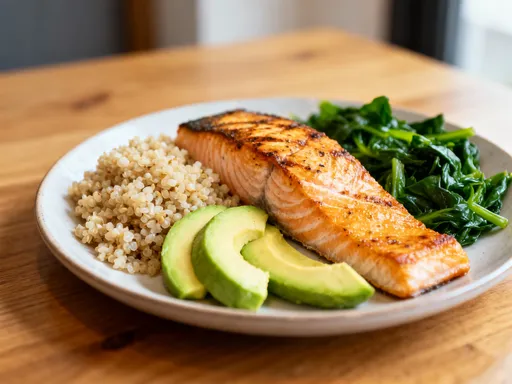
A stress-supportive eating pattern includes three main meals and one or two nourishing snacks, spaced throughout the day. Each meal should ideally contain a source of protein, complex carbohydrates, healthy fats, and fiber. This combination supports steady energy, mental focus, and emotional calm. For example, a balanced dinner might consist of baked salmon, roasted sweet potatoes, steamed broccoli, and a small portion of brown rice. The inclusion of color, texture, and flavor makes meals more satisfying and enjoyable, reducing the likelihood of post-meal cravings.
Planning ahead can make healthy eating more achievable during busy or stressful times. Preparing simple components in advance—such as cooking a batch of quinoa, roasting vegetables, or hard-boiling eggs—allows for quick assembly of nutritious meals. Keeping healthy snacks on hand, like cut-up vegetables, hummus, or trail mix, reduces reliance on convenience foods. It’s also helpful to create a flexible routine rather than a rigid schedule. Life is unpredictable, and stress often disrupts normal rhythms. The key is to return to balance as soon as possible, without self-criticism. Over time, these practices become habits that support both physical and emotional well-being.
Mindful Eating as a Tool, Not a Trend
Mindful eating is more than a wellness buzzword—it’s a practical tool for reconnecting with your body’s natural signals. Under stress, many eat quickly, distractedly, or emotionally, often consuming more than needed without realizing it. Mindful eating encourages slowing down, paying attention to the taste, texture, and aroma of food, and tuning into hunger and fullness cues. This simple shift can reduce overeating, improve digestion, and increase satisfaction from meals.
One effective practice is pausing for a few moments before eating. Taking three deep breaths helps transition from a state of stress to one of calm, allowing the body to shift into “rest and digest” mode. Eating without screens, savoring each bite, and chewing thoroughly enhances the experience and supports better nutrient absorption. Over time, this awareness helps distinguish true physical hunger from emotional hunger, which often arises suddenly and craves specific comfort foods. Recognizing the difference empowers individuals to respond with compassion rather than automatic eating.
Self-compassion is central to building healthier eating habits. Many women feel guilt or shame about their food choices, especially when stress leads to less-than-ideal decisions. However, long-term change is not driven by perfection but by kindness and consistency. Viewing food as a form of care rather than control fosters a more positive relationship with eating. Small, sustainable changes—like adding a serving of vegetables to one meal or choosing water over soda—accumulate over time. The journey is not about eliminating stress but about equipping the body and mind to handle it more effectively through nourishing choices.
Breaking free from stress-driven eating isn’t about willpower—it’s about understanding. When you choose foods that support your biology, you’re not just feeding your body; you’re building resilience from the inside out. Small, consistent changes can transform how you feel, think, and respond to life’s pressures. This isn’t a quick fix, but a lasting shift toward feeling more like yourself.