Hair Care Got Me Wrong: My Body Repair Wake-Up Call
I used to think healthy hair was all about shampoos and serums—until my body started sending red flags. Thin strands, constant breakage, and zero growth made me question everything. That’s when I realized: hair health isn’t just surface-level. It’s deeply tied to what’s going on inside—hormones, nutrients, stress levels. I was so focused on external fixes, I ignored the real issue: my body needed repair. This is the journey I wish I started earlier, full of mistakes, lessons, and slow but real progress.
The Illusion of Quick Fixes: Why Hair Products Alone Fail
For years, I believed that beautiful hair came from the right bottle. I collected an arsenal of shampoos, conditioners, deep masks, leave-in treatments, and oils, each promising to transform my hair into something stronger, shinier, and faster-growing. I rotated products religiously, read ingredient labels, and followed trends—argan oil one month, keratin the next, then collagen-infused serums. Yet despite my efforts, my hair remained brittle, lifeless, and frustratingly slow to grow. I even avoided haircuts, thinking length would finally come if I just waited long enough. But no amount of surface-level care could mask the deeper truth: my hair was trying to tell me something my body was already screaming.
The reality is that topical hair products have limits. While they can improve texture, reduce frizz, or add temporary shine, they cannot address the internal environment where hair is actually made. Hair strands are composed of dead protein—keratin—but the living part, the hair follicle, lies beneath the skin and depends entirely on blood flow, hormonal balance, and nutrient supply. When those internal systems are compromised, no amount of silicones or botanical extracts can override the message being sent to the follicle: “Hold off on growth. Resources are low.”
I learned this after wasting hundreds of dollars on high-end treatments that delivered short-term cosmetic benefits but no lasting change. I was treating symptoms while ignoring the root causes. My body was lacking essential nutrients, under chronic stress, and struggling with hormonal fluctuations—none of which could be fixed with a $40 scalp serum. The marketing message had misled me: healthy hair isn’t created in a bottle. It’s grown from within, through consistent internal care. Once I accepted that, I stopped chasing quick fixes and started asking harder questions: What was my body trying to say? And what was I not giving it?
The Hidden Connection: How Body Health Shapes Hair Growth
Hair growth is not an isolated event—it’s a reflection of overall bodily health. Each strand begins in a follicle fed by a tiny network of blood vessels that deliver oxygen, amino acids, vitamins, and minerals. When the body is under stress, inflamed, or deficient in key nutrients, hair is often the first casualty. I didn’t realize how much my lifestyle was silently undermining this process. I was sleeping poorly, eating inconsistently, and managing high levels of stress—all of which were quietly disrupting my hair cycle.
One of the most critical connections is between hormones and hair. Elevated cortisol, the primary stress hormone, can shorten the hair growth phase (anagen) and push more follicles into the shedding phase (telogen), leading to what’s known as telogen effluvium. Similarly, imbalances in thyroid hormones—both hypothyroidism and hyperthyroidism—can cause diffuse thinning and dryness. And while androgens like DHT are often discussed in male pattern baldness, they can also contribute to female hair thinning, particularly along the part line.
Nutritional deficiencies play an equally powerful role. Iron deficiency, especially low ferritin (the stored form of iron), is a well-documented cause of hair loss in women. Without enough iron, red blood cells can’t carry sufficient oxygen to the follicles. Protein is another cornerstone—hair is made of keratin, a protein, so when dietary intake is low, the body prioritizes vital organs over hair production. Other key players include vitamin D, zinc, biotin, and omega-3 fatty acids, all of which support follicle health and scalp circulation.
Even gut health has a surprising influence. A compromised digestive system can impair nutrient absorption, meaning you might eat a balanced diet but still be deficient. Chronic inflammation, often linked to poor diet or autoimmune conditions, can also damage follicles over time. The scalp is not an island—it’s part of a larger system. When the body is out of balance, hair shows it first. Recognizing this connection was the turning point in my journey from frustration to understanding.
Common Pitfalls That Delay Real Progress
Looking back, I made nearly every mistake that can sabotage hair recovery. Like many women juggling family, work, and personal responsibilities, I put my own health last. I washed my hair every day, believing it kept it clean and fresh, not realizing that over-washing strips natural oils and weakens the scalp barrier. I used heat styling tools daily—flat irons, curling wands, blow dryers—often on high heat, sealing in damage with every pass. I also colored my hair frequently, using chemical dyes that further compromised the hair shaft.
Diet was another area of neglect. I skipped meals to save time, relied on processed snacks, and often ate dinner late at night. I didn’t track protein intake and assumed I was getting enough iron from spinach and red meat—until a blood test revealed my ferritin was critically low. I also underestimated the importance of hydration. Dehydration affects every cell in the body, including hair follicles, which need a steady supply of fluid to function optimally.
Emotional stress was the invisible weight I carried without acknowledgment. I dismissed it as “just busy life,” but my body registered it as a threat. Chronic stress elevates cortisol, disrupts sleep, and can trigger or worsen hair shedding. I didn’t connect my late-night anxiety, racing thoughts, and poor sleep to my thinning hair—until I started seeing the pattern.
Another major pitfall was blaming genetics too early. It’s easy to assume hair loss is inevitable if your mother or grandmother experienced it. But while genetics do play a role, they are not the whole story. Lifestyle factors often accelerate or trigger genetic predispositions. By focusing only on heredity, I let myself off the hook from making changes I could actually control. The truth is, most women experience a combination of factors—nutritional gaps, hormonal shifts, stress, and aging—that together create the perfect storm for hair thinning. Recognizing these avoidable mistakes didn’t bring shame; it brought empowerment. Each one was a lever I could pull to create change.
Listening to Your Body: Signs It’s Time for Internal Repair
Your body sends signals long before hair loss becomes severe. For me, the warnings were subtle but consistent: persistent fatigue, brittle nails that chipped easily, dry skin, and cold hands and feet. I dismissed them as normal signs of aging or a busy schedule. But these are not random inconveniences—they are clues that your internal systems are under strain. Hair loss is often one of the last symptoms to appear, which means by the time you notice thinning, the imbalance has likely been building for months, even years.
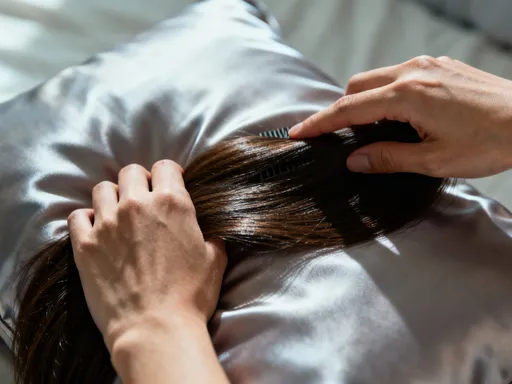
Early signs of hair distress include slower growth, increased shedding (more than 100 strands a day), changes in texture (hair feeling finer or drier), and a widening part. You might notice more hair on your brush, in the shower drain, or on your pillow. These are not just bad hair days—they are physiological messages. A sudden change in your hair pattern often reflects an internal shift, such as a nutritional deficiency, hormonal fluctuation, or stress response.
For example, heavy shedding three months after a major illness, surgery, or emotional trauma is a classic sign of telogen effluvium. Gradual thinning at the crown or part line may point to hormonal changes, especially during perimenopause or after childbirth. Hair that breaks easily could indicate protein deficiency or excessive chemical processing. Dry, flaky scalp might signal inflammation or essential fatty acid deficiency.
Learning to read these signals changed everything for me. Instead of reacting with panic, I began to respond with curiosity. I started a simple journal to track my hair changes alongside my diet, sleep, and stress levels. Over time, patterns emerged. I saw that poor sleep consistently preceded a week of heavier shedding. I noticed that after a week of eating more protein and vegetables, my hair felt stronger. These small observations helped me shift from feeling helpless to feeling in control. The body is always communicating. The key is to listen before the message becomes a crisis.
The Repair Blueprint: Nutrition, Sleep, and Stress Control
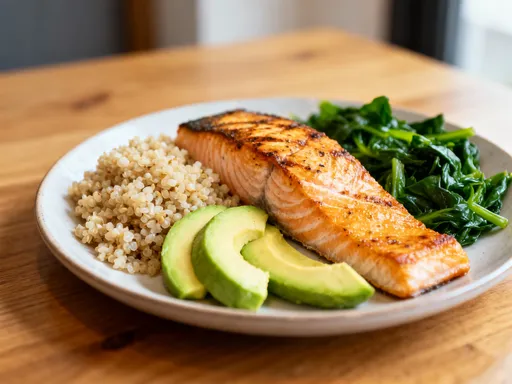
Once I accepted that hair health begins inside the body, I rebuilt my daily routine around three pillars: nutrition, sleep, and stress management. I didn’t aim for perfection—just consistent, supportive choices. I started by evaluating my diet. I increased my intake of high-quality protein—eggs, Greek yogurt, lentils, chicken, and fish—knowing that hair is made of protein and needs a steady supply to grow. I added iron-rich foods like lean red meat, spinach, and lentils, and paired them with vitamin C sources like bell peppers and citrus to enhance absorption.
I also paid attention to healthy fats, incorporating avocados, nuts, seeds, and olive oil, which support scalp health and reduce inflammation. I made sure to get enough omega-3s from fatty fish or supplements, as they help nourish follicles and improve hair elasticity. I drank more water throughout the day, aiming for at least eight glasses, and reduced my caffeine and sugar intake, which can disrupt blood sugar and hormone balance.
Sleep became non-negotiable. I set a consistent bedtime and created a wind-down routine—dimming lights, avoiding screens, and reading or meditating before bed. I learned that deep sleep is when the body repairs tissues, balances hormones, and regenerates cells, including hair follicles. Even one night of poor sleep could elevate cortisol the next day, so I treated rest as essential medicine.
Stress management was the hardest but most transformative part. I began with small practices: five minutes of deep breathing in the morning, a daily 20-minute walk in nature, and writing down three things I was grateful for each night. Over time, I added gentle yoga and mindfulness meditation. These weren’t quick fixes, but they gradually lowered my baseline stress level. I noticed that on days I practiced calm, my hair felt stronger, and shedding decreased. The body responds to peace as much as it does to nutrients. This holistic approach didn’t promise miracles, but it created the conditions for healing.
When to Seek Professional Help: Beyond Self-Care
No matter how diligent I was with diet and lifestyle, I hit a plateau in my progress. That’s when I realized self-care has limits. I needed data. I scheduled an appointment with my healthcare provider and requested a full blood panel, including iron studies (ferritin, serum iron, TIBC), thyroid function (TSH, free T3, free T4), vitamin D, zinc, and a complete blood count. The results were eye-opening: my ferritin was below 30 ng/mL—a level associated with hair loss—and my TSH was slightly elevated, indicating early hypothyroidism.
These were conditions no supplement stack or hair oil could fix on its own. My doctor recommended iron supplementation under supervision and further evaluation of my thyroid. I also consulted a registered dietitian to fine-tune my nutrition plan and ensure I was absorbing nutrients properly. Working with professionals gave me clarity and a targeted roadmap. It wasn’t about giving up control—it was about gaining accurate information.
This section is not meant to encourage self-diagnosis or fear. Instead, it emphasizes the importance of medical guidance when progress stalls or symptoms persist. Blood tests are powerful tools—they reveal what you cannot feel or see. Hormonal imbalances, autoimmune conditions like alopecia areata, or underlying health issues may require medical treatment. A dermatologist can assess scalp health, rule out fungal infections or scarring alopecia, and recommend evidence-based therapies like minoxidil if appropriate.
Asking for help is not a failure—it’s a critical step in recovery. Healing is not purely DIY. It’s a collaboration between personal effort and professional insight. By combining self-care with medical support, I finally started seeing changes I hadn’t in years: less shedding, stronger roots, and new growth along my hairline.
Realistic Expectations: Patience, Progress, and Long-Term Mindset
Hair grows slowly—about half an inch per month, on average. That means real repair takes time, often six months to a year or more, depending on the cause. I had to let go of the idea of instant transformation. There were days I doubted I’d ever see improvement. But I learned to celebrate small victories: finding fewer hairs in my brush, noticing new baby hairs at my temples, feeling my ponytail thicken ever so slightly.
I stopped weighing myself daily and instead tracked progress gently—taking monthly photos under the same lighting, noting how my hair responded to styling, and paying attention to how it felt. Softness, strength, and resilience are just as important as length. True hair health is not about perfection; it’s about vitality. And that vitality is a sign of a body that is healing, rebalancing, and being cared for.
This journey taught me that hair is not just cosmetic—it’s a barometer of well-being. When I stopped chasing beauty and started honoring my body’s needs, everything shifted. I no longer see hair care as a ritual of vanity, but as an act of self-respect. It’s a daily reminder that I am worth the time, the effort, and the patience. The mirror reflects more than strands—it reflects commitment, consistency, and care. And that, more than any product, is what truly restores what was lost.