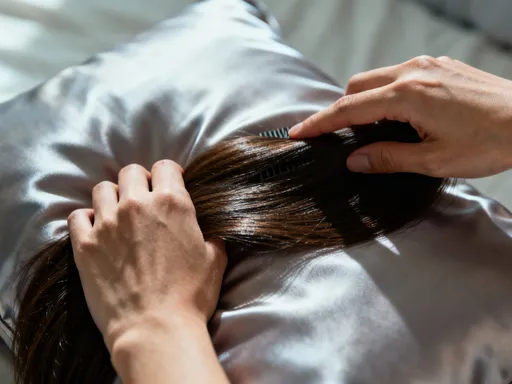
What Your Hair Is Trying to Tell You — Early Signs Everyone Misses
Have you ever noticed more hair falling out than usual or sudden changes in texture? I did — and it turned out to be way more than just stress. Hair can quietly signal early signs of health imbalances, from nutrient gaps to hormone shifts. As someone who ignored the clues at first, I learned the hard way. Now, I’m sharing what helped me understand my body better. This isn’t about vanity — it’s about listening before bigger issues arise.
The Silent Messenger: Why Hair Reflects Inner Health
Hair is more than a feature — it’s a reflection of what’s happening inside the body. Each strand grows in cycles: an active growth phase, a resting phase, and a shedding phase. These cycles are sensitive to internal changes, including hormonal fluctuations, metabolic shifts, and nutrient availability. When the body experiences imbalance, it often redirects energy and resources away from non-essential functions like hair growth, making hair one of the first systems to show signs of distress.
Scalp health and hair texture are particularly revealing. A dry, flaky scalp may suggest poor hydration or essential fatty acid deficiency. Brittle, breaking strands can point to protein insufficiency or overexposure to heat and chemicals. Changes in curl pattern, volume, or shine may reflect shifts in thyroid function or iron levels. These are not merely cosmetic concerns — they are physiological signals.
Many people assume hair changes are purely genetic or age-related. While heredity plays a role in pattern hair loss, sudden or unusual changes are rarely due to genes alone. Ignoring such shifts can mean missing early warnings of underlying conditions. Recognizing that hair acts as a barometer of wellness allows individuals to respond proactively rather than reactively.
Red Flags in the Mirror: Subtle Changes That Matter
Early signs of hair-related health concerns are often overlooked because they develop gradually. Thinning at the crown, a widening part, or visible scalp through the hair are common indicators of volume loss. These changes may start subtly — a ponytail that feels looser, more hair on the brush, or strands that no longer hold style as they once did.
Brittle or dry hair that snaps easily, especially near the ends, can signal nutritional gaps. Excessive shedding — more than 100 strands per day — particularly if it persists for weeks, may indicate internal stressors such as low iron, hormonal shifts, or inflammation. Sudden texture changes, like straight hair becoming wavy or curly hair losing definition, are also worth noting.
Timing is critical. Gradual thinning over years may align with aging, but rapid changes within weeks or months often point to a recent trigger. For example, significant shedding three months after illness, surgery, or emotional stress may be linked to a condition called telogen effluvium, where hair prematurely enters the resting phase.
Consider a woman in her early 40s who begins noticing more hair in her shower drain. She attributes it to aging, but upon closer inspection, she also feels more fatigued and colder than usual. These clues together — hair loss, fatigue, temperature sensitivity — could point to an underactive thyroid. Without connecting the dots, she might dismiss all symptoms as normal aging.
What Science Says: Hair as a Biomarker
Scientific research supports the idea that hair can serve as a biomarker for internal health. Studies have shown strong associations between hair changes and deficiencies in key nutrients such as iron, zinc, vitamin D, and biotin. Iron deficiency, one of the most common nutritional deficiencies worldwide, is frequently linked to diffuse hair loss, particularly in women of reproductive age.
Thyroid hormones directly influence hair follicle activity. Both hypothyroidism and hyperthyroidism can disrupt the hair growth cycle, leading to thinning or shedding. Blood tests measuring TSH, T3, and T4 levels are essential for diagnosing thyroid-related hair issues. Similarly, hormonal imbalances such as those seen in polycystic ovary syndrome (PCOS) can lead to androgenic alopecia, characterized by thinning at the front and top of the scalp.
Hair analysis has been explored as a diagnostic tool, though its reliability varies. While some labs offer mineral and heavy metal testing through hair samples, the most accurate assessments still come from blood work. Serum ferritin, for instance, measures iron stores and is a more reliable indicator than hair mineral tests for diagnosing deficiency.
Peer-reviewed studies emphasize that hair changes should not be evaluated in isolation. A comprehensive health assessment — including medical history, physical exam, and laboratory testing — is necessary to determine root causes. Dermatologists and primary care providers are trained to interpret these signs within a broader clinical context.
Beginner-Friendly Checks: Simple Daily Habits That Help
Monitoring hair health doesn’t require special training. A few simple daily habits can help detect changes early. One effective method is the “pull test”: gently tug on a small section of clean, dry hair near the scalp. If more than two or three strands come out, it may indicate active shedding.
Using a handheld mirror to examine the scalp weekly can reveal early thinning, especially in areas that are hard to see, like the crown or hairline. Good lighting — natural daylight is best — helps spot changes in texture, color, or density. A soft-bristle brush minimizes breakage and allows for easier observation of shed hairs.
Keeping a hair journal can provide valuable insights. Note the amount of hair lost daily, changes in texture, and any new symptoms like fatigue, dry skin, or mood swings. Track lifestyle factors such as sleep quality, stress levels, diet changes, or new medications. Over time, patterns may emerge that correlate with hair changes.
Photographs taken monthly from consistent angles can help visualize subtle shifts. Many women find this method reassuring, as it provides objective evidence of progress or concern. The goal is not to obsess, but to observe with care and curiosity.
From Clue to Action: When to See a Professional
While some hair shedding is normal, certain patterns warrant professional evaluation. If shedding lasts longer than three months, if bald patches appear, or if scalp irritation accompanies hair loss, it’s time to consult a healthcare provider. Sudden onset of hair thinning, especially when paired with other symptoms, should not be ignored.
A dermatologist specializes in hair and scalp conditions and can perform a thorough examination. They may use a dermatoscope to magnify the scalp and assess follicle health. In some cases, a small biopsy may be recommended to rule out scarring alopecia or other conditions.
Blood tests are often part of the diagnostic process. Common tests include a complete blood count (CBC), ferritin, thyroid panel, vitamin D, zinc, and hormone levels. These help identify deficiencies or imbalances that could be contributing to hair changes.
It’s important to be honest about supplements, diet, and stress levels during the consultation. Some over-the-counter products may interfere with test results or mask underlying issues. A healthcare provider can offer evidence-based guidance and rule out serious conditions, providing peace of mind or a clear path forward.
Supporting Your Hair (and Body) Naturally
Healthy hair begins with healthy habits. A balanced diet rich in protein, vitamins, and healthy fats supports both hair growth and overall well-being. Hair is made primarily of keratin, a protein, so adequate dietary protein is essential. Good sources include eggs, fish, poultry, legumes, and dairy.
Key nutrients for hair health include iron, found in lean meats and leafy greens; zinc, present in nuts, seeds, and whole grains; and omega-3 fatty acids, abundant in fatty fish and flaxseeds. Biotin, though often marketed for hair, is only beneficial if a deficiency exists, which is rare. A varied, whole-foods diet typically provides all necessary nutrients without the need for high-dose supplements.
Hydration plays a supporting role. Water helps deliver nutrients to hair follicles and keeps the scalp moisturized. Dehydration can contribute to dryness and brittleness. Aim for consistent fluid intake throughout the day, primarily from water and herbal teas.
Sleep and stress management are equally important. Chronic stress elevates cortisol, which can disrupt hormone balance and contribute to hair shedding. Practices such as mindful breathing, gentle yoga, or regular walks in nature can help regulate the stress response. Quality sleep allows the body to repair and regenerate, supporting healthy hair cycles.
Gentle hair care routines protect strands without masking underlying issues. Avoid excessive heat styling, tight hairstyles that pull on the scalp, and harsh chemical treatments. Use sulfate-free shampoos and conditioners suited to your hair type. The goal is to nurture, not conceal.
Long-Term Awareness: Building a Health-Monitoring Habit
Paying attention to hair changes fosters a deeper connection with one’s body. It encourages a mindset of proactive care rather than crisis management. When women learn to interpret these subtle signals, they gain confidence in managing their health.
This awareness doesn’t require perfection or constant vigilance. It’s about cultivating a habit of gentle observation — noticing, recording, and responding with kindness. The goal is not to fixate on appearance, but to honor the body’s ability to communicate.
Small signs, when noticed early, can lead to meaningful insights. A change in hair texture might prompt a check-up that reveals a treatable deficiency. Increased shedding after a life event might highlight the need for better stress support. These moments become opportunities for growth and self-care.
In a world that often prioritizes quick fixes, tuning into the body’s quiet signals is a powerful act of self-respect. Hair may seem like a small part of health, but it can open the door to broader wellness. By listening closely, women can take informed, compassionate steps toward long-term vitality — one strand at a time.