Why My Hair Stopped Falling Out – A Real Talk on Quick, Everyday Prevention
Losing hair can hit hard—suddenly your brush looks like a crime scene. I get it. But what if small, doable habits could actually help protect your scalp before problems grow? Turns out, it’s less about magic fixes and more about consistent, smart choices. This isn’t a cure, but a real look at how simple daily steps can support stronger hair and prevent avoidable damage—starting today. For many women, especially between the ages of 30 and 55, hair changes quietly creep in. Life gets busy, stress builds, and suddenly you’re noticing more strands in your brush, on your pillow, or clogging the shower drain. The emotional toll can be deeper than expected—hair is tied to identity, confidence, and self-image. The good news? Most early-stage hair thinning isn’t irreversible. With awareness and gentle, science-backed habits, you can often slow or even stop preventable loss. This is not about dramatic transformations or expensive treatments. It’s about understanding what your hair is trying to tell you and responding with care.
The Wake-Up Call: When Normal Shedding Feels Like Too Much
Every day, losing 50 to 100 hairs is considered normal. This is part of the natural hair cycle, where strands shed and regrow in rhythm. But when the numbers start climbing—or when clumps appear after washing or brushing—alarm bells go off. For many women, this moment comes unexpectedly: maybe after a stressful year, a major life change, or during perimenopause. The emotional impact is real. Seeing hair accumulate in places it never used to can trigger anxiety, self-consciousness, or even a sense of aging too quickly. The key is not to panic but to pause and assess. Sudden or excessive shedding—called telogen effluvium—can be triggered by factors like illness, rapid weight loss, hormonal shifts, or emotional stress. These are often temporary, but they signal that the body is under strain. Recognizing the difference between normal shedding and a more concerning pattern is the first step toward prevention. It’s not about obsessing over every fallen strand, but about tuning in when the balance seems off.
What makes this moment a wake-up call is the realization that hair health reflects overall wellness. It’s not isolated to the scalp—it’s connected to diet, sleep, hormones, and how we manage daily stress. When shedding increases, it’s often the body’s way of saying, “Something needs attention.” Instead of rushing to cover it up with volumizing products or hair fibers, the smarter move is to look inward. Are you sleeping enough? Are you eating enough protein? Has anything changed in your routine recently? These questions matter. The earlier you notice and respond, the better your chances of minimizing damage. Proactive care doesn’t mean drastic action. It means paying attention, adjusting small habits, and supporting your body’s natural processes. That shift—from reaction to awareness—is where real change begins.
What Your Scalp Is Actually Telling You
The scalp is the foundation of healthy hair, yet it’s often overlooked. Think of it like soil: just as plants need rich, well-aerated ground to grow strong roots, hair follicles depend on a clean, balanced scalp environment. When the scalp is inflamed, clogged with buildup, or too dry, it disrupts the hair growth cycle. This doesn’t always mean visible dandruff or itching—sometimes, the signs are subtle. You might notice your scalp feels tight, your hair looks dull, or styling products aren’t absorbing the way they used to. These are quiet signals that the environment supporting your hair isn’t optimal. A healthy scalp maintains moisture, sheds dead skin cells properly, and allows follicles to breathe. When this balance is off, even strong hair can become weak or fall out prematurely.
Inflammation is one of the most common underlying issues. It can be caused by harsh shampoos, over-washing, or even long-term use of styling products that leave residue. When follicles are surrounded by irritation, their ability to produce strong, thick strands diminishes. Similarly, dryness can lead to flaking and micro-tears in the skin, while excess oil can trap debris and block pores. Both extremes create an environment where hair struggles to thrive. The good news is that scalp health can be improved with simple, consistent care. Gentle cleansing, avoiding harsh sulfates, and giving the scalp time to rebalance can make a noticeable difference. Regular scalp massages also help—by boosting circulation, they deliver more oxygen and nutrients to the follicles. This isn’t about medical treatment; it’s about creating the right conditions for hair to grow naturally.
Another key factor is pH balance. The scalp’s natural pH is slightly acidic, around 4.5 to 5.5. When this is disrupted—by alkaline shampoos, hard water, or frequent heat styling—it can weaken the hair cuticle and make strands more prone to breakage. Using pH-balanced products helps maintain this protective barrier. You don’t need a chemistry degree to get this right—just awareness. Look for labels that mention “pH-balanced” or “sulfate-free,” and pay attention to how your scalp feels after washing. Does it feel tight and dry? That’s a sign it’s been stripped. Does it feel greasy within hours? That could mean buildup or overproduction of oil. Listening to these cues allows you to adjust your routine in a way that supports long-term health rather than short-term fixes.
The 3 Quick Habits That Made a Difference for Me
When I realized my hair was thinning more than usual, I didn’t jump into expensive treatments or supplements. Instead, I focused on three simple, low-effort habits that I could sustain long-term. The first was adjusting my washing routine. I used to wash my hair every day, thinking it kept it clean. But over time, I noticed my scalp felt drier, and my hair looked frizzy and brittle. Research showed me that daily washing strips natural oils, especially for those with dry or curly hair. I switched to washing every other day or even every three days, using a gentle, sulfate-free shampoo. The result? My scalp started producing less excess oil, and my hair felt stronger, with more natural shine. It took a few weeks to adjust, but the difference was clear: less breakage, fewer split ends.
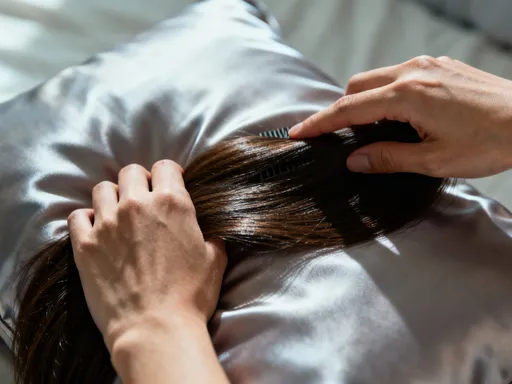
The second habit was switching to a silk pillowcase. It sounds like a small luxury, but the science behind it is solid. Cotton pillowcases create friction as you move during sleep, leading to tangles and breakage—especially for longer hair. Silk, on the other hand, allows hair to glide smoothly, reducing mechanical stress. I started noticing fewer knots in the morning and less hair on my pillow. Over time, my ends looked healthier, and I didn’t have to fight through tangles every day. It’s a tiny change, but it made a real difference in reducing preventable damage. Plus, silk is gentler on the skin, which was an unexpected bonus for my nighttime routine.
The third habit was mindful brushing. I used to rush through detangling, especially when in a hurry. But aggressive brushing, especially when hair is wet and more fragile, can cause significant breakage. I switched to a wide-tooth comb and started detangling from the ends upward, working slowly toward the roots. I also invested in a high-quality boar bristle brush for dry hair, which helps distribute natural oils from the scalp to the ends. This not only improved shine but also reduced static and flyaways. By testing each habit individually and tracking changes over weeks, I could see which ones had the most impact. The takeaway? Small, consistent actions—done with intention—can lead to real improvements without overwhelming your routine.
How Daily Choices Shape Long-Term Hair Resilience
Hair is made mostly of protein—specifically keratin—so what you eat directly affects its strength and growth. While no single food will reverse hair loss, a balanced diet rich in protein, iron, biotin, and essential fatty acids supports healthy follicles. Women in their 30s to 50s often experience shifts in metabolism, energy levels, and nutrient absorption, making dietary awareness even more important. Instead of chasing trendy “hair-boosting” supplements, focus on whole foods: eggs, lean meats, legumes, nuts, leafy greens, and fatty fish like salmon. These provide the building blocks hair needs without the risks of unregulated products. Hydration also plays a role—dry hair is more prone to breakage, and drinking enough water helps maintain elasticity and shine.
Sleep is another pillar of hair health. During deep sleep, the body repairs tissues, balances hormones, and supports cellular regeneration—including hair follicles. Chronic sleep deprivation can disrupt hormone levels, particularly cortisol, which is linked to increased shedding. A consistent sleep schedule—even just seven hours a night—can make a measurable difference. It’s not about perfection, but rhythm. Similarly, managing stress through gentle movement, like walking, yoga, or stretching, helps lower cortisol and supports overall well-being. You don’t need intense workouts; even 20 minutes of daily activity can reduce stress-related shedding. These habits don’t just benefit hair—they improve energy, mood, and long-term health.
The key is consistency, not intensity. Think of hair care like dental hygiene: you don’t brush your teeth once and expect lifelong results. You do it daily because it prevents problems before they start. The same principle applies here. Eating well, sleeping enough, and moving your body aren’t about dramatic changes—they’re about creating a stable internal environment where hair can thrive. When these habits become routine, they work together to build resilience. Over time, you may notice your hair feels thicker, grows faster, or recovers better after styling. These are signs that your body is responding to the care you’re giving it. And that care starts with small, sustainable choices.
What to Avoid: Common Mistakes That Speed Up Damage
Some of the most damaging habits are the ones we do every day without thinking. Heat styling is a major culprit. Flat irons, curling wands, and blow dryers, when used daily at high temperatures, weaken the hair cuticle and lead to long-term damage. The result? Brittle strands, split ends, and increased breakage. If you use heat tools, always apply a heat protectant and try to keep the temperature below 350°F. Better yet, let your hair air-dry when possible and limit heat styling to special occasions. Your hair will thank you with more natural strength and shine.
Tight hairstyles are another overlooked issue. Ponytails, buns, and braids that pull on the scalp—especially when worn daily—can cause traction alopecia, a form of preventable hair loss. This happens when constant tension damages the follicles over time. If your scalp hurts after removing a hairstyle, it’s too tight. Opt for looser styles, use soft hair ties without metal clasps, and vary your part to reduce stress on the same areas. Even small changes, like switching from a high ponytail to a low, loose bun, can make a difference in preserving hairline health.
Skip detangling at your own risk. Going to bed with wet, tangled hair is a recipe for breakage. Wet hair is more elastic and fragile, so pulling a brush through knots can snap strands. Always detangle gently with a wide-tooth comb, starting from the ends. Also, avoid skipping conditioner—especially for longer or textured hair. Conditioner helps smooth the cuticle, reduce friction, and protect against environmental damage. And be cautious with trendy treatments like scalp scrubs or DIY oil mixes. While some can be beneficial, others—especially those with harsh ingredients or unproven claims—can do more harm than good. Stick to products with clear, science-backed ingredients and avoid anything that promises “instant results.” Real hair health is built over time, not overnight.
When to Seek Help – And Why Timing Matters
While many cases of hair thinning can be managed with lifestyle changes, some signs warrant professional evaluation. Sudden hair loss in patches, a visibly receding hairline, or rapid thinning over a short period could indicate an underlying condition like alopecia areata, thyroid imbalance, or hormonal disorders. Scalp irritation, redness, scaling, or pain are also red flags that go beyond simple dryness or buildup. In these cases, self-care alone isn’t enough. Early consultation with a dermatologist or trusted healthcare provider can lead to accurate diagnosis and appropriate treatment. The sooner you act, the better the chances of managing or even reversing the condition.
It’s important to remember that prevention and medical care are not mutually exclusive. Taking daily steps to support hair health doesn’t replace the need for professional help when something is medically wrong. In fact, combining both approaches often yields the best results. A doctor might recommend blood tests to check for nutrient deficiencies, hormone levels, or thyroid function. Based on the results, they can guide you toward safe, effective treatments—whether that’s medication, topical solutions, or targeted supplements. The goal is not to self-diagnose, but to be informed and proactive. If you’re unsure, it’s always better to seek advice than to wait and hope it resolves on its own.
Building a Sustainable Routine: Small Steps, Big Impact
The most effective hair care routines aren’t complicated—they’re consistent. Instead of chasing the next miracle product, focus on stacking small, sustainable habits. Start with a simple weekly checklist: examine your scalp for dryness or irritation, review your products for harsh ingredients, and reflect on your styling habits. Are you over-washing? Over-heating? Over-tightening? These reflections help you stay aware without becoming obsessive. The goal is progress, not perfection. Even one positive change—like switching to a silk pillowcase or adding a protein-rich meal—can contribute to long-term improvement.
This mindset shift—from reactive fixes to daily respect—changes how you view hair health. It’s no longer about hiding thinning or chasing volume. It’s about honoring your body’s signals and responding with kindness. Hair is a living part of you, and it responds to how you treat it. When you care for it gently, consistently, and with awareness, you’re not just preventing damage—you’re nurturing a healthier relationship with yourself. Over time, these small actions build resilience, confidence, and peace of mind. You don’t need extreme measures. You just need to show up for yourself, one strand at a time.